Avrajjal Ghosh (2019-2025)
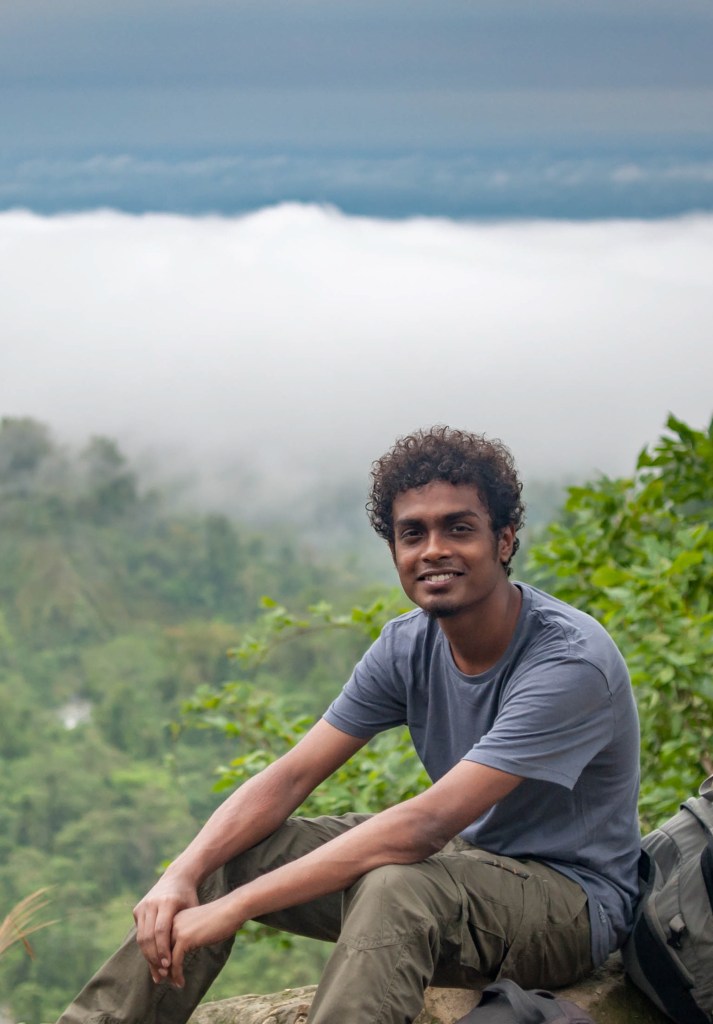
Current: Postdoctoral fellow at Charles University, Prague, Czechia
Reptiles and Amphibians have fascinated me since childhood and I have always wanted to study intricacies associated with them. How these enigmatic animals came to occupy their current distributional range has always intrigued me and for my Ph.D., I am adhering to my interest and studying a highly speciose group of small, shiny lizards called skinks (Family: Scincidae). I am particularly interested in exploring speciation and dispersal patterns among three genera of South Asian skinks- Kaestlea, Ristella, and Subdoluseps. Members of the genus Kaestlea and Ristella are almost exclusive to the Western Ghats mountain ranges and the Indian Subdoluseps are found in drier regions of the Western Ghats and the Southern Eastern Ghats mountains. These hill ranges have ancient origins and are highly biodiverse and might hold an unprecedented diversity within the aforementioned genera of skinks. Since all the species in these three genera are montane-sub-montane species, they might also exhibit a ‘sky-island’ radiation. I intend to explore that aspect as well.
Apart from looking at lizards, I like to take photographs of animals, read books, watch movies, play some sport,s and have a nice time with my friends. But mostly I just look for critters.
Aditi Panda (2023-2025)
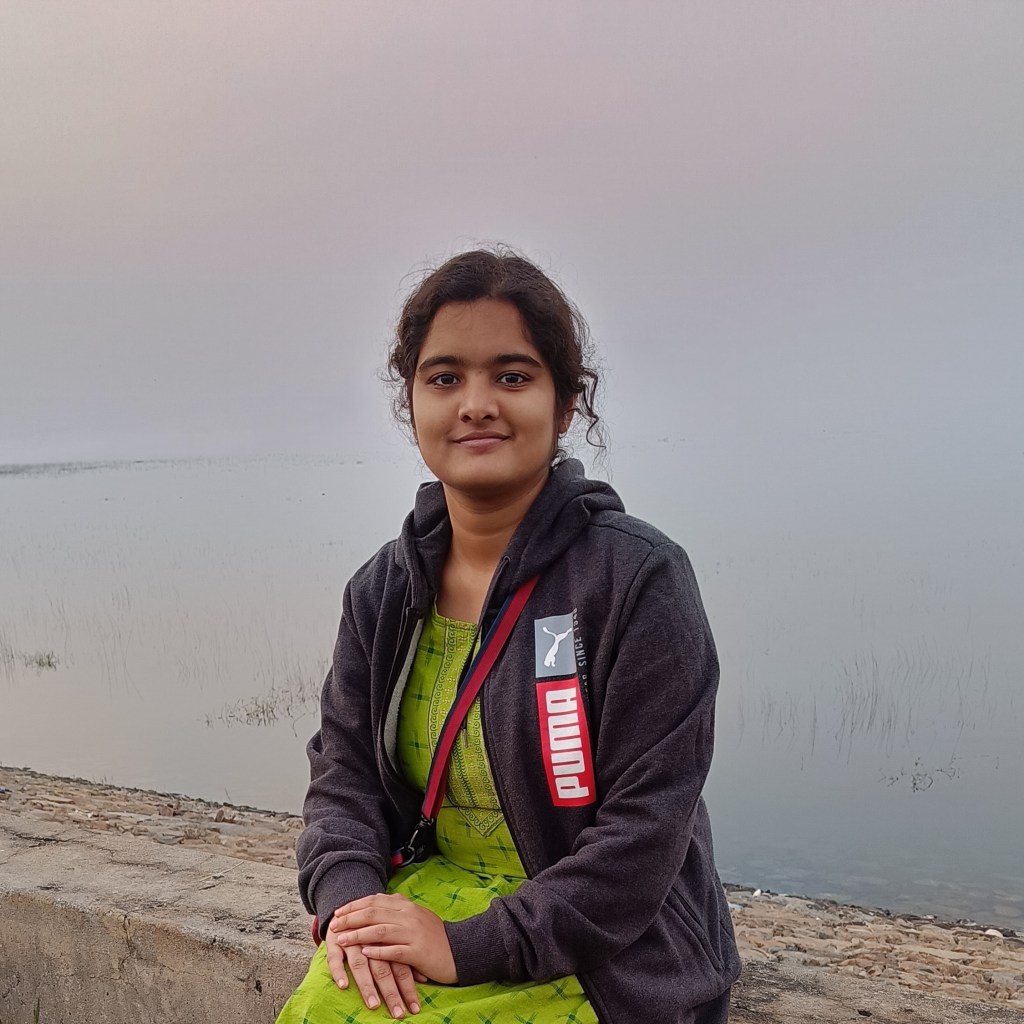
Current: Research Fellow at the Smithsonian Tropical Research Institute, Panama
Plants are all around us. But do we really understand these gigantic immobile green structures completely? Our inability to notice and identify the tremendous diversity of plants around us(“Plant Blindness”, as it is called) reflects how unexplored these organisms are.
My journey in the lab started as an intern in 2022. I looked at the different tree species around the campus and documented them. Subsequent reading, peer discussions and interactions lead me to the various eco-physiological characteristics of the plants.
I continued my work through subsequent internships. I worked on plant functional traits along an elevation gradient, the phenology of evergreen and deciduous tree species and the IUCN Species Assessment of few woody tree species. I intend to work on the ecological and evolutionary history of few plant assemblages in the future.
Besides my time at the lab, I enjoy cooking and baking!
Aniket Ranjangaonkar (2023-2025)
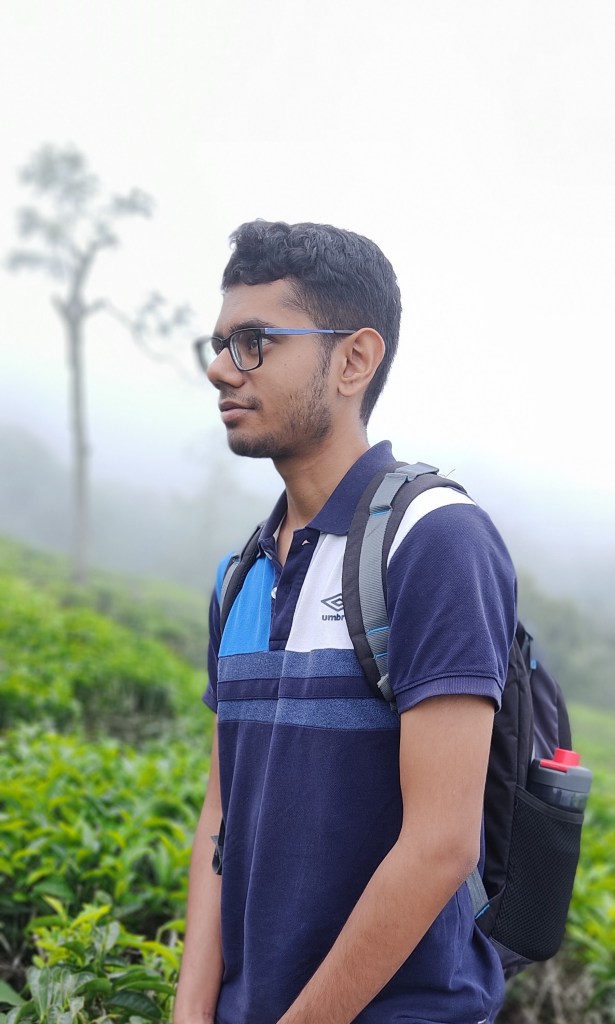
Current: Cotutelle PhD at the University of Groningen, Netherlands and Macquarie University, Sydney
I am currently exploring the historical biogeography of the Indian subcontinent. My research focuses on tracing dispersal events across various non-volant taxa with limited trans-oceanic dispersal abilities using dated phylogenies and modern ancestral range evolution techniques. By integrating these findings with geological, paleoclimatic, and fossil evidence, my aim is to deepen our understanding of the Indian subcontinent’s northward movement and its biological connections to surrounding landmasses via land bridges or stepping-stone island chains.
During my summers, I have enhanced my skills by characterizing plant functional traits in the lush rainforests of Kadumane and species distribution modeling at University College London. For my PhD, I plan to synthesize all my past research experiences to predict how climate and land use changes impact terrestrial ecosystems.
Outside the lab, I am an avid cricket enthusiast, often organizing my own imaginary tournaments. I enjoy learning new languages through Duolingo, writing about my life experiences, playing board games, and watching stand-up comedy. I also love wandering through cities alone to immerse myself in the local culture, people, and urban planning.
Prapti Satpathy (2023-2025)
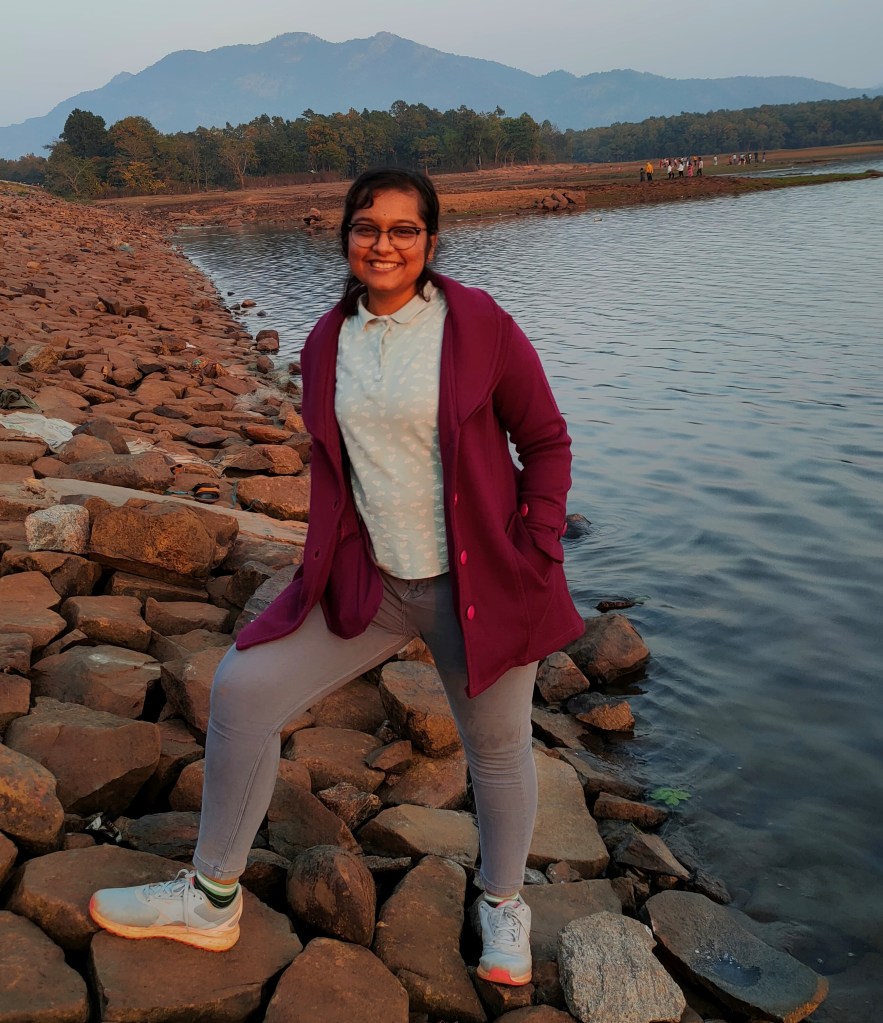
The Tree of Life has always intrigued me. I have held a deep fascination for the reasons behind the complexity of life forms we see today. In Nick Lane’s words, “There is a black hole at the heart of biology. Bluntly put, we do not know why life is the way it is”, summarises questions I have pondered about nicely.
Fast forward to today, and here I am, trying to understand speciation events through an evolutionary timeline with geological events in the backdrop. I have always been interested in how organisms evolve and the methods used to quantify diversification. My habit of exploring the arena before jumping in has led me to interesting questions, like looking into protein evolution in Gal regulon to fitness benefits imparted by microbiota in red flour beetles. Here on, I plan on delving into the landscape of the phylogeny of organisms to look
into habitat diversification and character evolution.
On a side note, I have a tiny blog and a book collection I have been building for a while now. Bit of artsy stuff now and then as well!
S. Sanjay Kumar (2022-2025)

I have a keen interest in plant ecology and evolution. It is fascinating to see how these apparently simple creatures evolve, interact and adapt in the ecosystems.
My interest was further strengthened during my brief internships inside our campus and later in Western ghats, Karnataka. I would like to understand how these plants interact with other biotic components of the ecosystem and influence each other’s fitness. For my MSc project, I am studying the relationship dynamics of trees and the phyllosphere and rhizosphere microbes associated with them.
Ayush Parag (2022-2024)
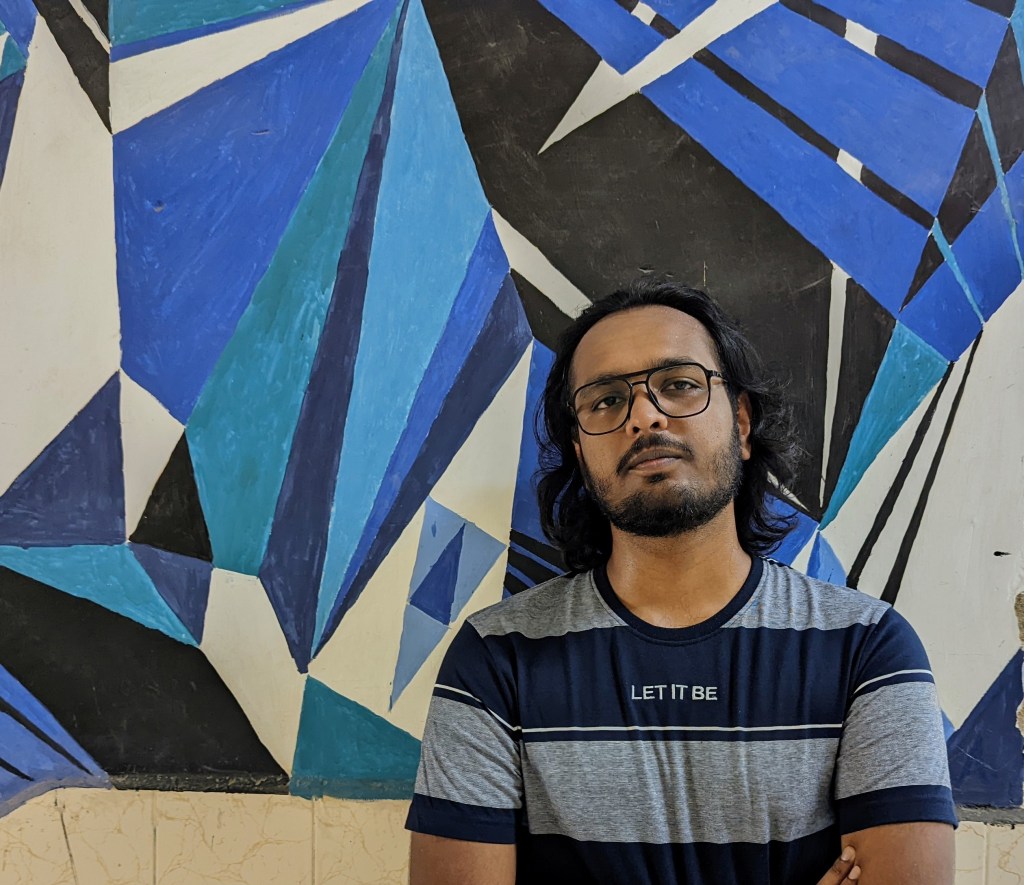
Current: Graduate student at the University of Melbourne
I took a liking to arthropods in my early college days, and have been intrigued by them ever since. Mostly unnoticed, these multi-legged critters are excellent model systems. I joined the lab in November 2020, assisting Himesh in his master’s work, which involved mites and their beloved hosts, geckos. Soon after, I started working on spiders, aiming to document our campus’s spider fauna and work on anything interesting that comes my way! Thanks to Roy, I have been exposed to the mystical world of these eight-legged creatures, which remains poorly understood to date. To further explore the dynamics of their complex systems, I am presently exploring the Batesian mimicry of ant-mimicking spiders from a behavioral viewpoint for my MSc dissertation project.
I also love to learn about the evolution of color patterns and prey-predator interactions in animals and would like to investigate the same with arthropods in the future. My future plans with arthropods also include working on finer topics such as their phylogenetics, evolutionary and behavioral patterns, and biogeography, similar to the works of my senior labmates.
Manali Banerjee (2022-2024)
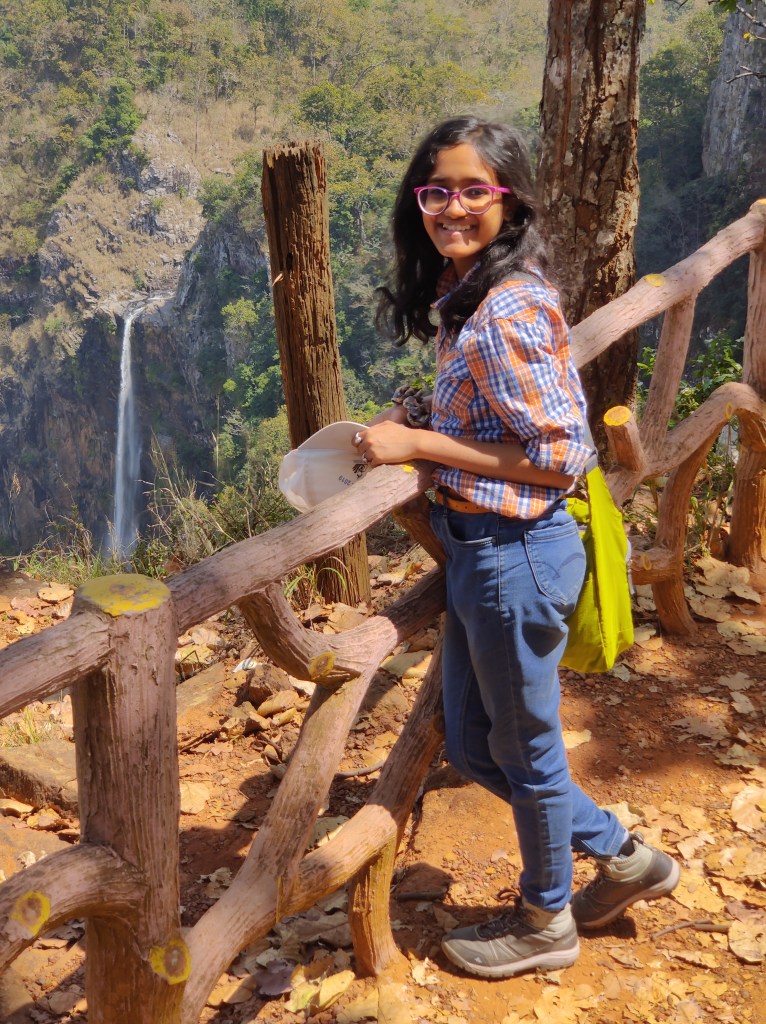
Current: Graduate student at Centre for Ecological Sciences, IISc
Growing up in a metropolitan city with access to encyclopedias and documentaries was the starting point of my curiosity toward the diverse life I could not experience in grey confinement. Animals, with their own unique reactions & patterns of behavior, were the primary target of interest as they allowed me to embrace my own differences with peers.
How do different taxa sense and interact within and across taxa? What causes inter- and intrasexual interaction? How have these interactions come to exist, and what are their consequences?
This inherent fascination is why I will be working on exploring the impact of anthropogenic activity on the relatedness (specifically, inbreeding) and stress reactivity of Fan-Throated Lizard Sitana sushili. I am also trying to understand the phylogenetic diversity and species richness of different parts of Odisha. Previously, I worked on estimating Fitness through Microsatellite Analysis. I have also learned the usage of Geographic Information Systems (GIS). I aim to acquire more skills in different areas to study these marvelous beings through an interdisciplinary lens. When not doing so, I like spending time engrossed in music, visual art, and books.
Dr. Maitreya Sil (2022-2024)
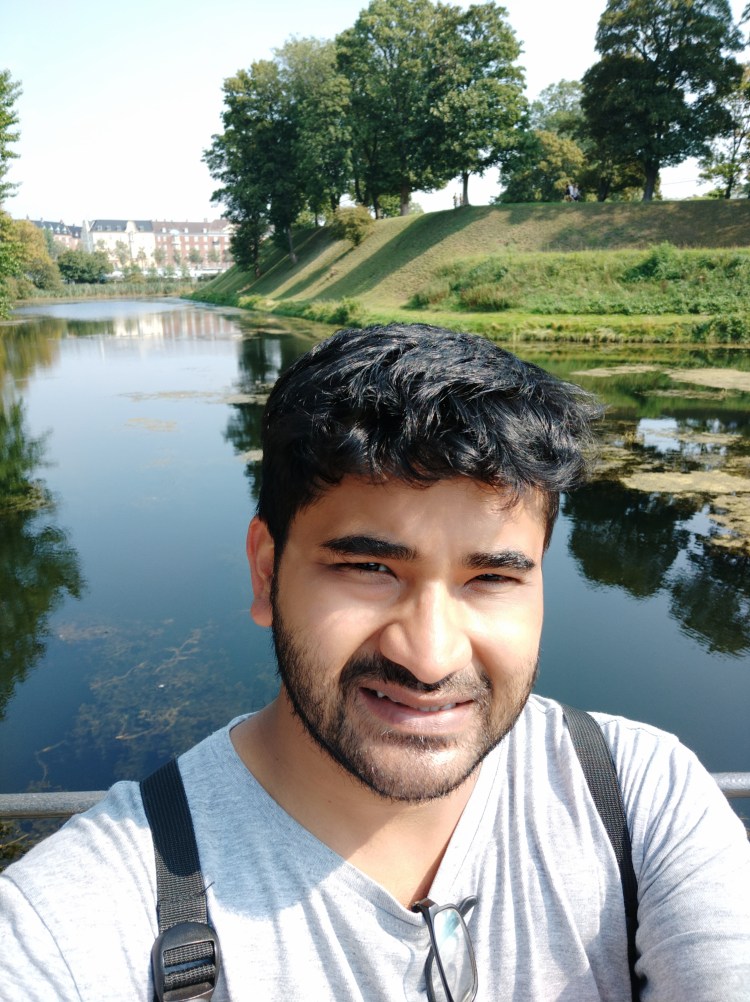
Current: Assistant Professor at Jain (Deemed-to-be) Univeristy, Bangalore
I joined the lab as a Postdoc to understand the evolution of different colour morphs in Indrella ampulla, an endemic land snail species from Western Ghats, India. I am primarily going to use genomic tools to address various questions pertaining to this topic. Previously I have investigated the historical biogeography, phylogeography, speciation, and taxonomy of several snail genera. During my last postdoc, I also explored questions concerning the conservation genomics of Asian elephants. Outside my work, I am interested in exploring nature, and the literature and cuisine from various parts of the country and beyond.
Satabdi Mandal (January 2024 – June 2024)
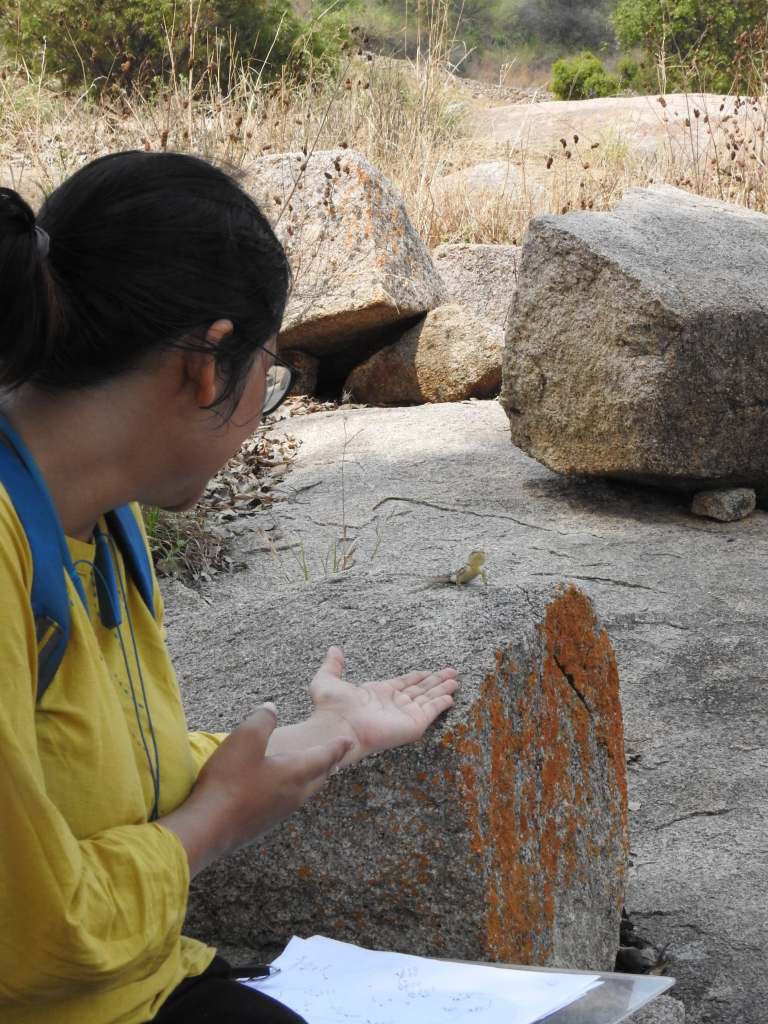
I am broadly interested in sexual selection, evolution of traits, adaptation, and biodiversity. For my masters’, at the CES, IISc, Bangalore, I performed a study correlating activity to aggression during intrasexual competition in Psammophilus dorsalis lizards, trying to broadly recognize the co-evolution of traits. As a JRF in the BioGeoSys lab, I aim to explore the phylogenetic histories, distribution patterns, speciation and endemic radiation of skinks across the sky-islands of Western Ghats. I further want to study trait evolution in spatially separated populations of different species of skinks, across these gaps. I am also very keen on understanding the molecular evolution of reproductive strategies and differentiation in sexes. My passion for understanding nature and debunking myths surrounding wild animals is what drives me to be a researcher in ecology and evolution. Besides being a biodiversity hotspot, the cultural diversity in India has given rise to many stories, sometimes glorifying but mostly fearing reptiles. Through my research, I want to dispel myths, appreciate the significance and delve deep into the spectacular world of these cold-blooded scaly crawlers.
When not working, you can find me talking about queer and caste minorities in India, listening to
people and collecting stories.
Jagati Vishwa (2020-2022)
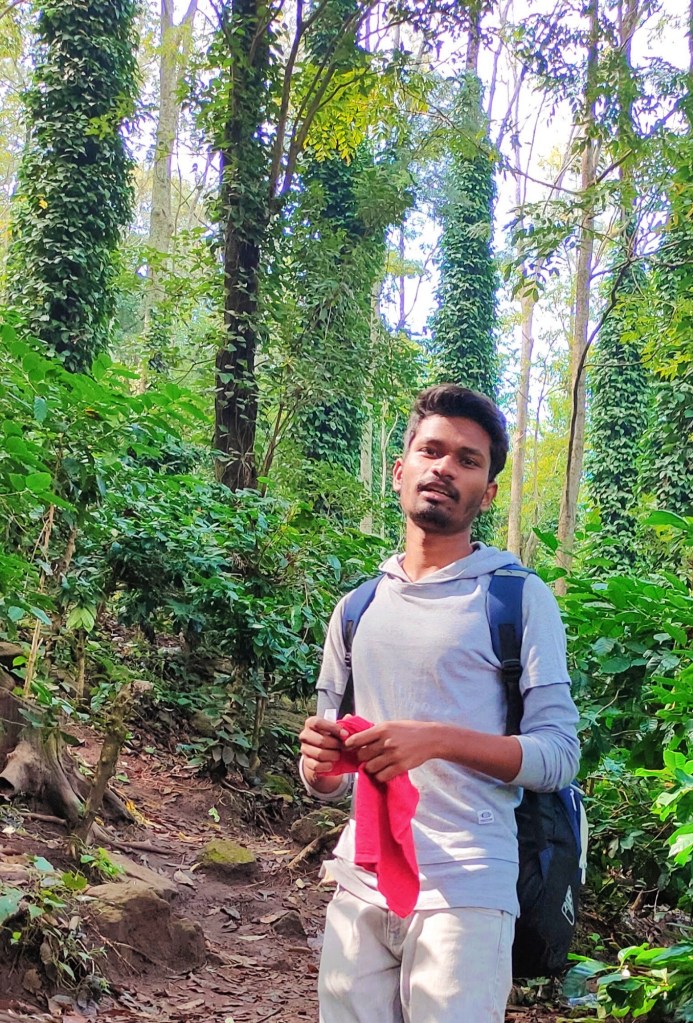
Current: Graduate student at Indian Institute of Science Education and Research (IISER), Tirupati
I am a curious researcher passionate about understanding the natural world. My research interests centre around behavioural ecology and evolutionary biology, with a specific focus on topics like life history traits, mating systems, and conservation. Additionally, I have a keen interest in phylogenetics and biogeography. During my academic journey, I have been involved in several significant projects. My master’s dissertation focused on the nesting strategies of Yellow-wattled Lapwings, where I examined their nest concealment tactics and preferences for nest sites. I contributed to a study on speciation among two endemic skink genera, Ristella and Kaestlea, in the Western Ghats,
where we explored the evolutionary complexities of these unique creatures. I also participated in a thorough analysis of understory bird populations in the montane landscapes of the Western Ghats, investigating various factors influencing their distribution. Additionally, I conducted
fieldwork in the grasslands of Andhra Pradesh to assess their condition and its impact on the survival of the Great Indian Bustard and Lesser Florican.
Outside of my academic pursuits, I am an enthusiastic wildlife photographer. I love exploring the outdoors, whether hiking through forests or observing wildlife, which brings me great joy. To unwind, I indulge in reading, and watching documentaries and anime.
Ashlesh Pattanaik (2021-2023)
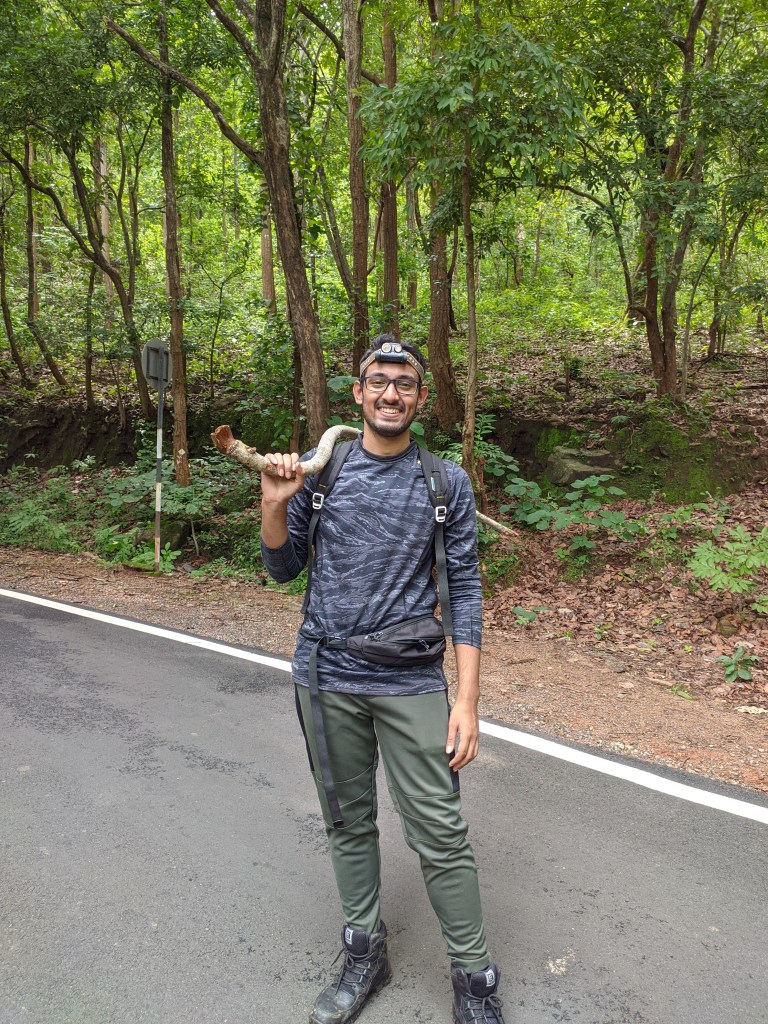
Current: Graduate student at the University of Tennessee, Knoxville
The sounds of nature have always been a feast for the ears. But it needs a great deal of observation to understand and unravel the hidden message of these euphonious sounds. Insects and their vast diversity of calls have been one of my primary interests, and I have finally begun a systematic approach in that direction, under Dr. Aniruddha Datta-Roy. Orthopterans are one of the best and most studied model systems to understand acoustic behaviour in the animal kingdom. The preliminary part of my project involves studying the species richness of the Orthopterans on the NISER campus, as well as recording the various behaviours they exhibit. I will be using these observations along with replication experiments in the lab, to answer different questions about mate interaction and prey-predator relations with respect to their acoustic cues. I will also try to make a comparative analysis of the behavior of species found here and their closely related species on which some research has been done. My project here will hopefully give me an insight into the acoustic behaviour of insects, which will help me extend my work to other animals in the future.
Ansuman Satyaswarup (2021-2023)

Reptiles are fascinating creatures seen almost everywhere starting from inside our houses. There have been many studies regarding their diurnal activities, but their sleeping behavior remains the least studied, and has mostly been limited to laboratory studies. I am interested in studying the sleep ecology of the oriental garden lizards (Calotes versicolor) in the wild. They are arboreal organisms of the family Agamidae. I am focused on studying their sleeping habits such as perch selection, sleeping posture and orientation under artificial light and in dark, in relation to their age and size. I will be using visual sampling to make observations and some non-invasive techniques to check for their site fidelity. I will also be estimating their population density inside the NISER campus. My hobbies include PC gaming and nature photography.
Karunakar Majhi (2021-2023)

Current: JRF, CCMB Hyderabad
Life on earth is remarkably diversified. The differences between each species serve as significant evidence for differentiating them on the basis of reproductive isolation, morphology or even genetic structure, this often becomes more and more complex with the idea of what actually defines itself as a species. Species delimitation is the process of determining which species constitute different populations of the same species and which constitute different species altogether. I am a master’s student under the guidance of Dr. Aniruddha Datta Roy. I am interested in phylogenetics, biogeography, and behavioral ecology. I am currently working on the species delimitation of various described taxa such as a group of frogs (Genus: Raorchestes). In my project, I will re-evaluate the genetic sequences of the related taxa and run them through different species delimitation tools and try to estimate and validate the number of species in that particular group. In my free time, I love to write works of fiction and watch films.
Madhura Agashe (May 2022-December 2022)
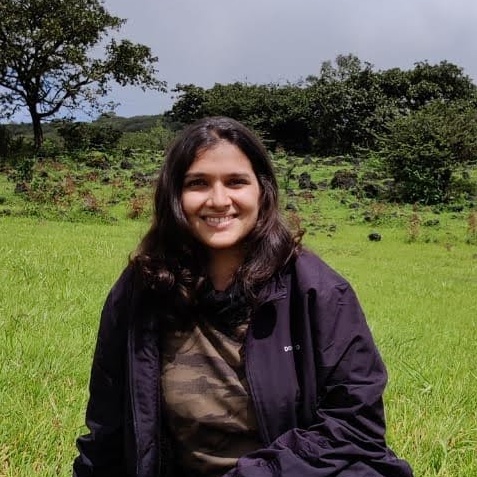
Current: Graduate student at Centre for Ecological Sciences, IISc
My childhood adventures mostly revolved around chasing lizards and searching for snakes in the thickets. This interest in “creepy crawlies” was magnified further through formal education in biodiversity, motivating me to convert a mere passion into a research career. I am especially intrigued by the evolution and distribution patterns of reptiles across the Indian subcontinent, and would also like to study their disease ecology.
As a research fellow at the BioGeoSys lab, I will be working on the phylogeny and systematics of endemic skinks from the Western Ghats, which is a biodiversity hotspot.
Apart from going on nature trails to observe the plethora of diversity around us, I like to fill my time with exploring new places and reading books.
Alex Mahesh (2020-2022)
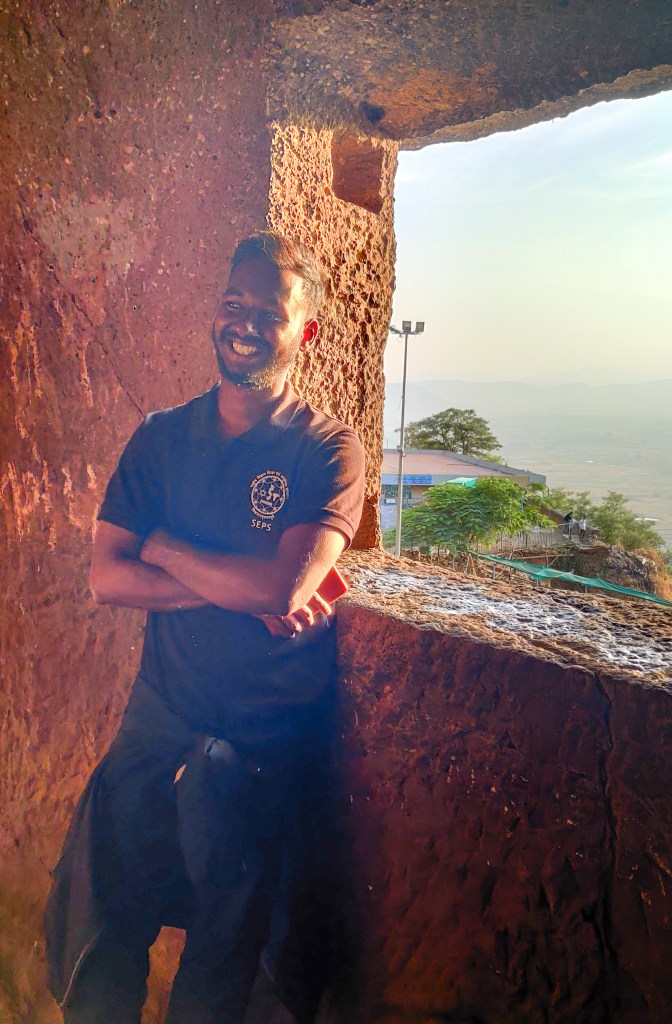
Current: Graduate student at the Indian Institute of Science, Bangalore
The beauty of nature and the variety of life forms around us has always fascinated me and I have always wondered how we have such awesome life forms around us. In the lab, I work on ‘ant mimicking’ spiders which are really cool organisms, as sometimes you may think you are looking at an ant unless the spider drops down on the web in front of you. I am trying to find out the evolutionary relationship between these ant-mimicking spiders and the model ants which they mimic. My hobbies include playing all sorts of outdoor games and roaming around without any reason.
Himesh Kumar Behera (2019-2021)
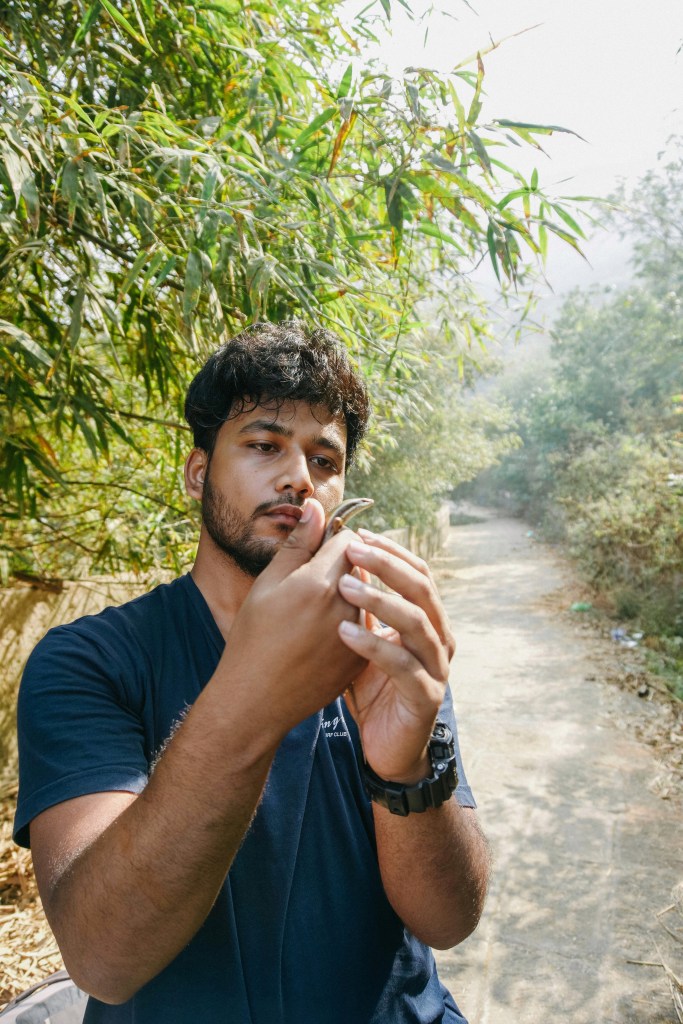
There are more than 200 described species of mites parasitizing lizards permanently, and no one knows about their evolutionary interactions. Geckos are my favorite and my master’s work on coevolution between geckos and their ectoparasites tries to uncover some of these mysteries.
Shagun Sabharwal (2019-2021)
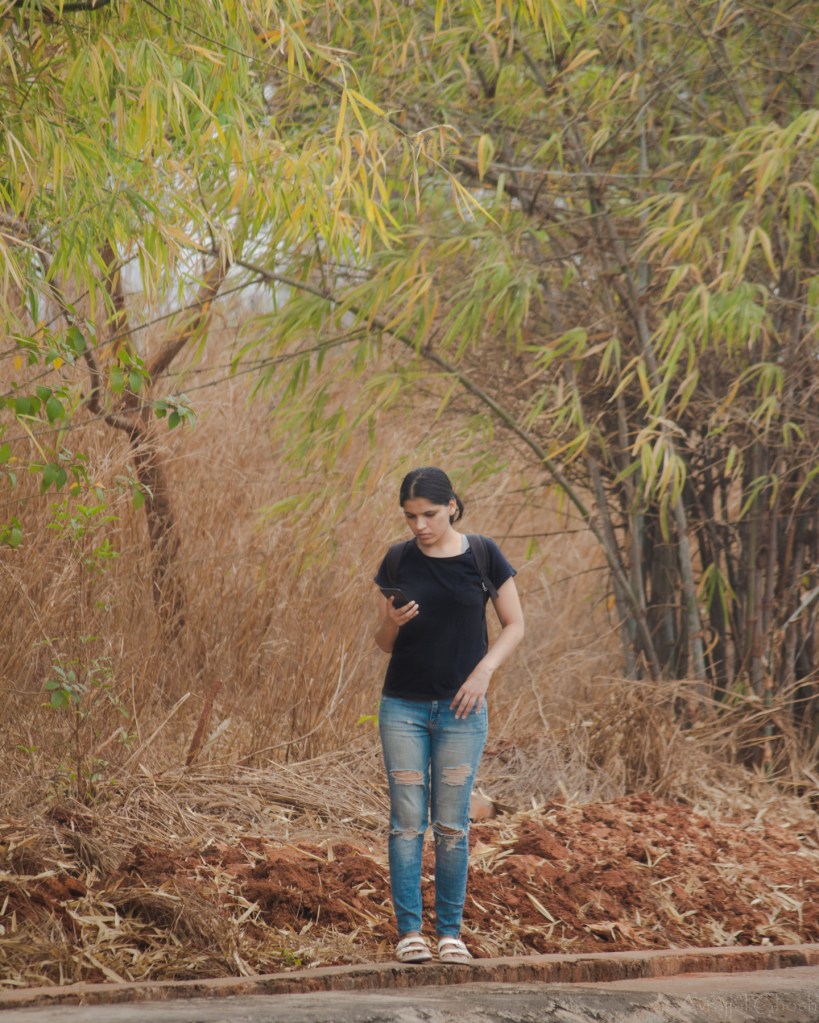
Current: Graduate student at University of Florida
Scincid genus Sphenomorphus has a very unique distribution in the Indian subcontinent. Sphenomorphus are distributed all over Southeast Asia, but with only 5 species in India. Even in India, 4 species are found in Northeast India and only 1 in Kerala. This unique distribution must have a fascinating history. My project aims to derive the relationship between the species by analyzing their biogeography, timing of speciation, and major historic geographical changes.
 BioGeoSys