It has been 6 years since BioGeoSys was formed, and in that time, we have accumulated an awesome collection of alumni. Here we have them reminiscing about their time in the lab and the work they did here. This page will always be a work in progress, as we keep hearing from more of the family.
Madhura Agashe
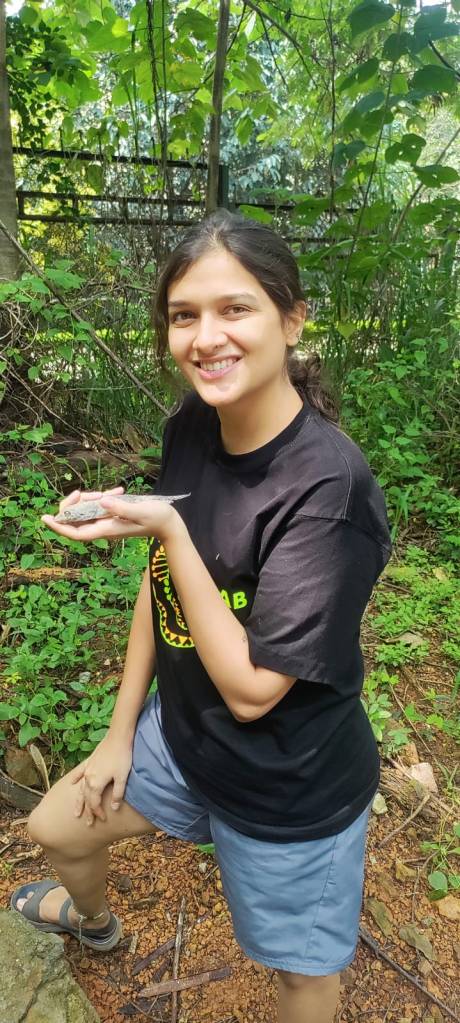
I am currently a PhD student at the Centre for Ecological Sciences, IISc Bangalore. During my time as a JRF at the BioGeoSys Lab (June–December 2022), I mostly assisted people with fieldwork and wet lab work to generate data for the collected samples. I accompanied Avrajjal on a field expedition to the Western Ghats to sample Ristella and Kaestlea skinks, and was involved in DNA extraction and PCR for these specimens. I also learned best practices for preserving reptile samples. As a side project, I contributed to identifying Hemidactylus gecko species found on the IISc campus. I also co-authored a short note reporting new distribution records for two uncommon frog species from the Western Ghats, along with other lab members. My time in the lab helped me develop both core technical skills and essential soft skills for research, and also gave me the chance to work alongside some truly fun and kickass people!
Viswa Jagathi
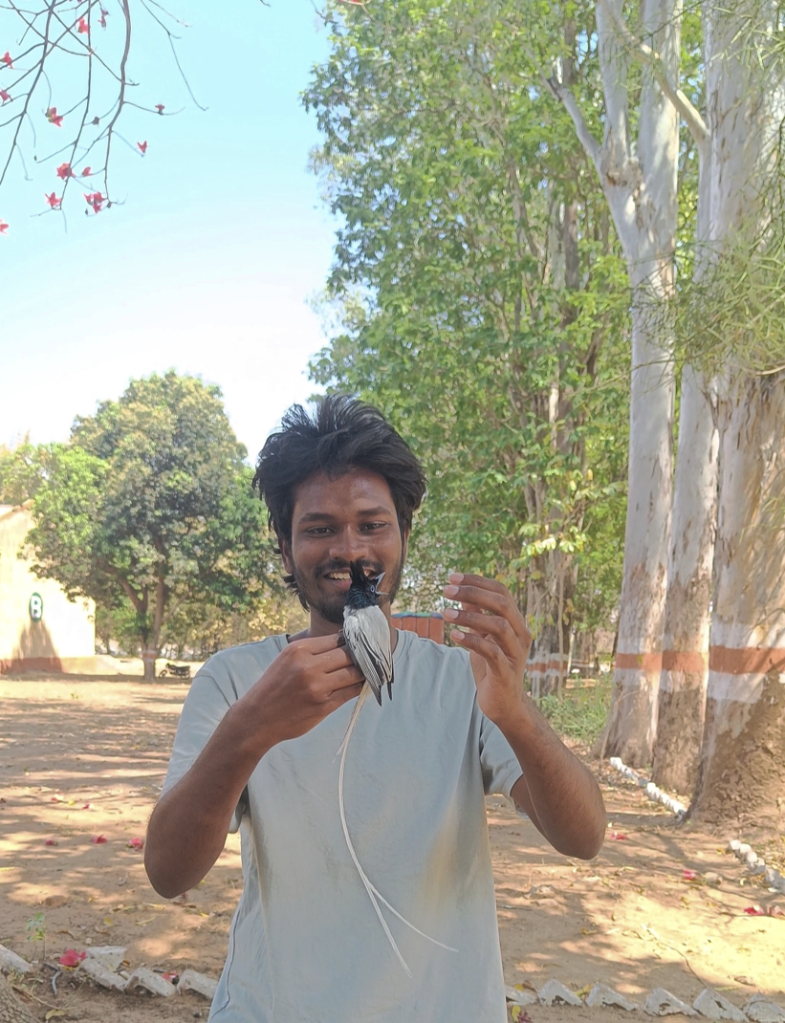
My research interests focus on behavioral ecology and evolutionary biology, particularly topics such as life history traits, speciation, and biogeography. At BioGeoSys, I spent around two and a half years. The first two years were during my Master’s dissertation, which examined the nesting behavior of Yellow-wattled Lapwings, specifically their strategies for nest concealment and preferences for nest sites. After completing my dissertation, I rejoined the lab as a JRF, where I assisted Avrajjal and Pranoy with their projects (mostly lab work). These projects investigate the speciation and biogeography of two endemic skink genera (Ristella & Kaestlea) from the Western Ghats, as well as the Sphenomorphus genus.
Manali Banerjee
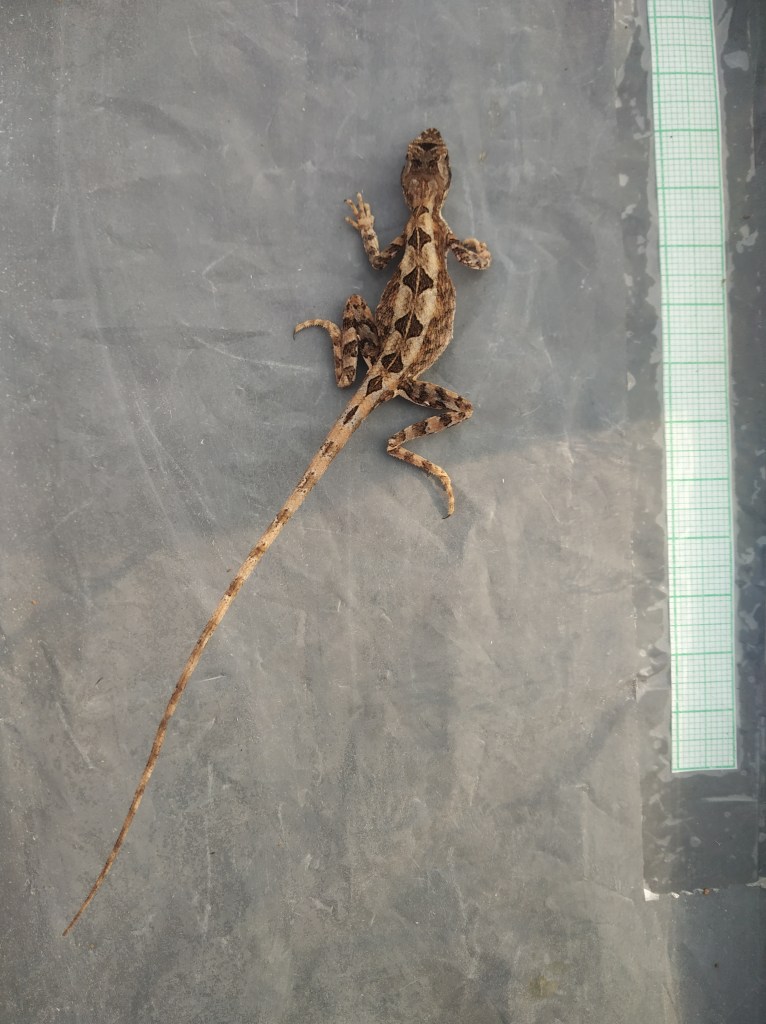
As part of my Masters’ dissertation (2023-2024), I investigated the impact of anthropogenic disturbance in the habitat of the annually breeding fan-throated lizard Sitana sushili (Deepak et al, 2019) on their stress response behaviour and the inbreeding in populations experiencing varied levels of habitat disruption. Two distinct local populations of Sitana were studied, one in a highly altered habitat (NISER) and another in a relatively unaltered, undisturbed area (uncultivated rural land behind Barunei hills). Populations experiencing anthropogenic pressures are expected to exhibit altered response to human stressors, possibly because of habituation, and that is exactly what was observed in the NISER population compared to the other. Morphometric measurements and tail tip tissues of individuals were also collected. Highly fragmented local populations are predicted to show greater inbreeding coefficients. Microsatellite and DDRAD data from the tissue DNA will help estimate relatedness between individuals. This work is currently ongoing. In addition, as an intern in 2020, I tried to build a comprehensive map and database of mammals and herpetofauna of the protected areas of Odisha.
Maitreya Sil
I am primarily interested in understanding the factors that shape genetic, species and phenotypic diversity. To address this, I take an evolutionary approach rooted in the usage of genetic data. While I was part of the BioGeoSys lab, I worked on an endemic snail from the Western Ghats of India. This species exhibits colour polymorphism, where each morph is brightly coloured and to our eyes stands out starkly against the background, which is usually dense tropical forests.
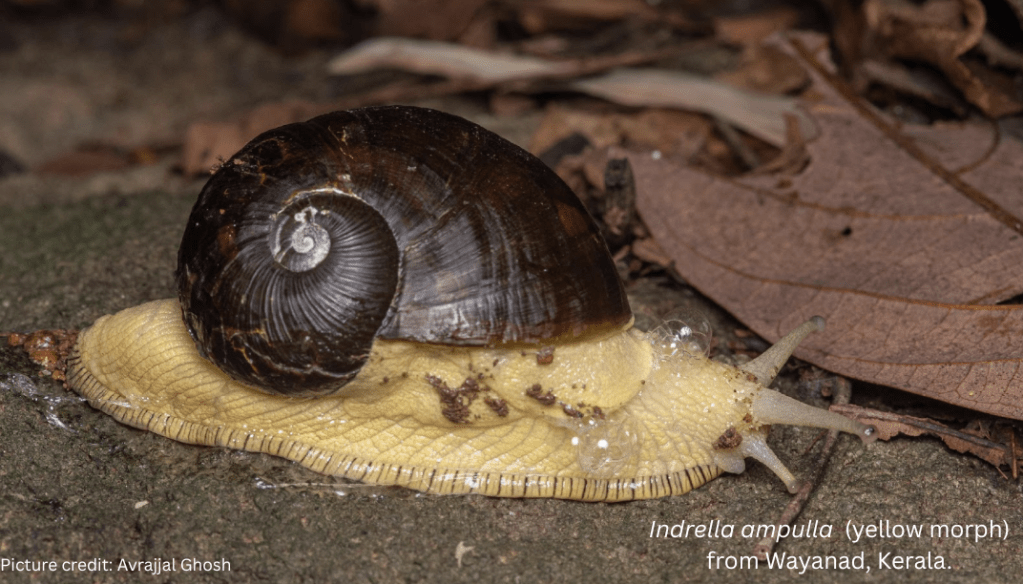
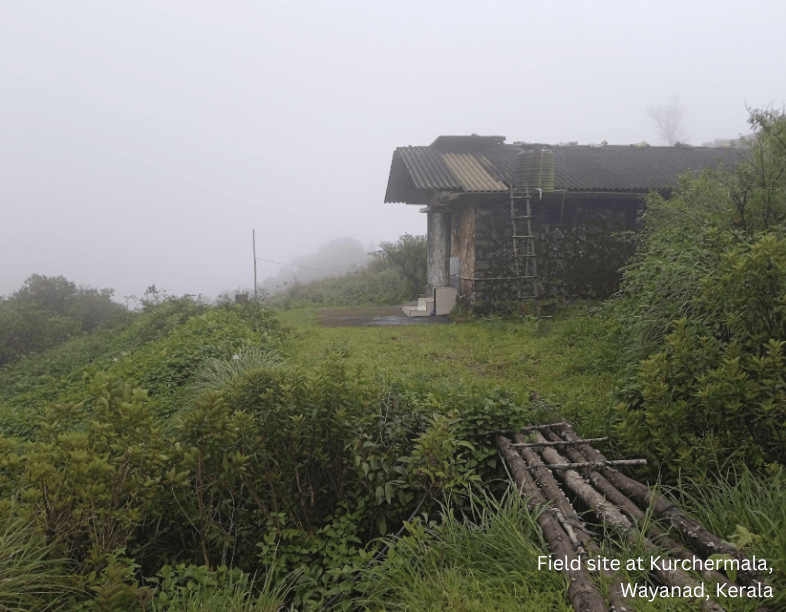
I, along with Roy and a group of researchers from other institutes and universities, assembled and annotated the genome of this species for the first time. This will help us understand the genomic underpinnings of the bright colours and also provide a clue as to why they are so brightly coloured and polymorphic. We also carried out a brief phylogeographic study (which is still ongoing), which reinstated the importance of the Palghat Gap in the Western Ghats in shaping the genetic structure of the species. We also showed how the climatic shifts during the Pleistocene influenced the demographic history of the species.
Ayush Parag
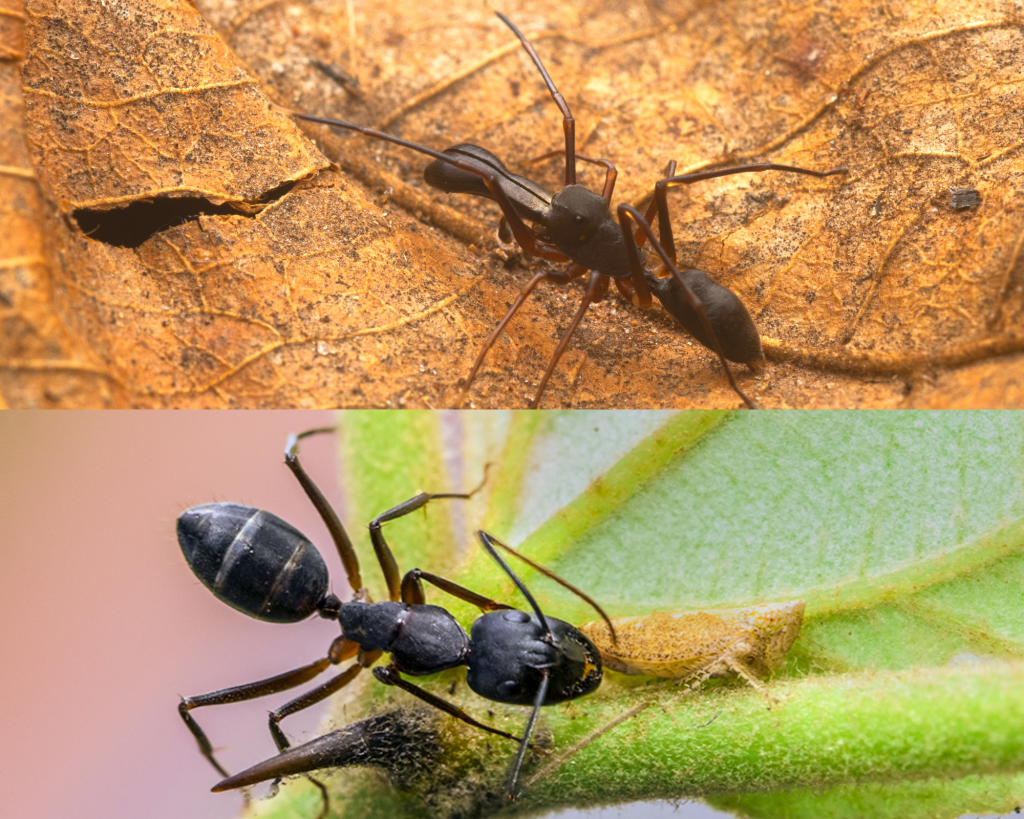
At BioGeoSys, I investigated the ant-like behavioral mimicry of ant-mimicking spiders. Although these spiders are omnipresent, they are hard to spot due to their uncanny morphological and behavioral resemblance to ants. My goal was to tease apart the relative contributions of these two forms of mimicry to their survival. Simply put, I wanted to test if behaving like an ant was crucial, or if looking like one was enough to fool predators. We focused on a behavior termed antennal illusion, where spiders wave their forelegs to mimic ant antennae. We conducted no-choice predation trials using visually oriented jumping spiders, amputating the forelegs of mimics to remove antennal illusion and observe predator responses. Our findings showed that morphological resemblance was enough to deter predators at a distance, but in close-range encounters, behavioral mimicry became crucial. When the predator was close and oriented toward the mimic, the spiders would stop waving and instead raise their front legs, mimicking an ant’s aggressive display. This often caused the predator to retreat. We concluded that behavioral mimicry does contribute to survival, but its effect depends on the distance and orientation of the predator.
 BioGeoSys